Managing the lawn and landscaping of large commercial properties is a multifaceted endeavor that requires careful planning, strategic execution, and ongoing maintenance. The appearance of a business's exterior not only impacts first impressions but also influences customer perception and can even affect property value. An effective lawn care management strategy goes beyond mere aesthetics; it incorporates environmental considerations, operational efficiency, and cost-effectiveness.
Understanding the Landscape
Before diving into specific lawn care management strategies, it's important to grasp the unique challenges associated with large commercial properties. These spaces often feature expansive turf areas, intricate landscaping designs, and diverse plant life. Factors such as climate, soil quality, regional pest populations, and seasonal changes play critical roles in determining maintenance needs.
For instance, properties located in areas with high foot traffic may necessitate durable turf custom lawn maintenance programs options that can withstand wear and tear. In contrast, locations with less traffic might allow for more delicate plantings or ornamental features. Understanding the specific landscape is crucial for tailoring an effective maintenance program.
Establishing Routine Lawn Maintenance Programs
Routine lawn maintenance is at the heart of any successful management strategy. A well-structured program should include scheduled tasks designed to maintain both aesthetic appeal and plant health throughout the year. This includes mowing, fertilization, aeration, pest control, and irrigation management.
Mowing schedules should be adjusted based on growth rates influenced by seasonal conditions. During peak growth periods in spring and summer, more frequent mowing may be necessary to keep grass at an optimal height. Conversely, during colder months or drought conditions, mowing frequency can be reduced.
Fertilization must align with soil testing results to ensure nutrient applications are tailored to plant needs. Regular soil tests will help determine pH levels and nutrient deficiencies that could inhibit healthy growth.
Aeration is another critical aspect often overlooked in commercial lawn care. Aerating the soil helps relieve compaction and allows water and nutrients to penetrate deeper into the root zone. For large properties with heavy usage areas like parking lots or event spaces, aeration should be performed at least once annually.
Pest control strategies must also be integrated into routine maintenance. This involves monitoring for signs of infestations early on so that appropriate measures can be taken before pests cause significant damage.
Scheduled Lawn Care: Timing Matters
Creating a detailed seasonal schedule is essential for maintaining healthy lawns on large commercial properties. Each season brings distinct challenges that require different approaches:
Spring
Spring marks a time of renewal when grass begins to grow actively again after winter dormancy. It’s key to start fertilizing early in this season to provide essential nutrients for robust growth. Additionally, this is an ideal time for overseeding thin areas to promote density before summer heat sets in.
Summer
With warmer temperatures comes increased evaporation rates; thus irrigation becomes paramount during these months. Regularly checking irrigation systems ensures that water distribution is even across all turf areas while preventing over-watering which can lead to disease issues.
Fall
As temperatures cool down in fall, focus should shift towards preparing lawns for winter dormancy. Fertilization strategies should adapt accordingly; applying a slow-release fertilizer before cold weather sets allows grassroots to absorb nutrients efficiently before freezing occurs.
Winter
Winter presents its own set of challenges—namely snow accumulation which could damage turf if not managed effectively. For properties prone to heavy snowfall or ice buildup, consider implementing snow removal strategies that protect underlying vegetation while ensuring safe access routes for employees and customers alike.
Leveraging Technology in Lawn Care Management
In recent years technological advancements have transformed how we approach lawn care management on large commercial properties. Precision agriculture tools now allow groundskeepers to monitor real-time data regarding moisture levels, nutrient content in soil samples, weather forecasts—and even pest populations through smart sensors placed strategically around landscapes.
Using drone technology can also enhance property inspections by providing aerial views of vast terrains quickly without disrupting operations below. This enables quick assessments of landscape health while identifying problem areas needing immediate attention or remediation efforts.
Furthermore employing software solutions designed specifically for landscape maintenance can streamline scheduling processes while providing analytics that inform future decisions based on historical performance metrics—making it easier than ever for property managers to develop proactive management plans tailored uniquely toward their environments.
Choosing Reliable Lawn Maintenance Solutions
Selecting a professional grounds care service provider capable of managing extensive commercial landscapes requires careful consideration beyond simply price comparisons among potential vendors:
Experience: Look for companies with proven expertise in managing similar-sized projects within your industry. Services Offered: Ensure they provide comprehensive offerings from routine upkeep through specialized tasks like tree pruning or irrigation installation. Sustainability Practices: Consider providers who emphasize environmentally-friendly practices such as organic fertilizers or water conservation measures. Customer Reviews/References: Solicit feedback from other businesses who have utilized their services previously; firsthand experiences provide invaluable insight. Licensing/Insurance: Verify they possess all necessary certifications along with adequate insurance coverage—this protects both parties involved during any unexpected incidents occurring onsite during service delivery.Choosing wisely not only ensures quality workmanship but also fosters long-term partnerships benefiting both property owners and service providers alike.
Enhancing Curb Appeal Through Landscape Maintenance
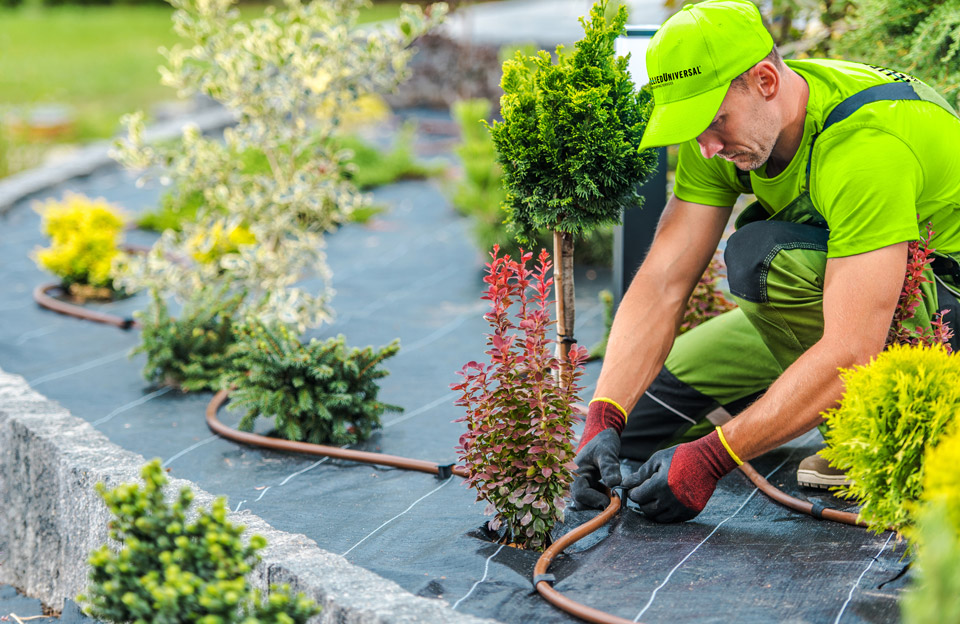
While lawn upkeep focuses primarily on turf health—landscape maintenance encompasses broader elements including shrubbery beds flower arrangements patios walkways signage lighting features etc.—each contributing significantly towards overall curb appeal critical for attracting customers’ attention:
- Plant Selection: Opting for native plants adapted specifically towards local climates reduces reliance upon chemical inputs empowers ecosystems enriches biodiversity within sites. Mulching Practices: Applying mulch around ornamental plants conserves moisture suppresses weeds enhances visual appeal—all contributing positively towards overall healthiness exhibited by surrounding landscapes. Seasonal Displays: Installing seasonal floral displays generates interest throughout various times during year appealing visually entices visitors toward establishment encouraging repeat patronage beyond initial visits made earlier seasons!
By prioritizing not just grass health but holistic landscaping efforts encompassing various factors mentioned above businesses create inviting atmospheres enhancing customer experiences paving pathways toward success!
Conclusion: The Path Forward
Effective lawn care management on large commercial properties requires foresight planning execution ongoing assessment along proactive adjustments based upon changing conditions encountered over time! By embracing comprehensive strategies incorporating advanced technologies sustainable practices reliable partnerships organizations ultimately cultivate landscapes thriving well beyond mere appearances — ensuring longevity profitability success!